Best Rhinoplasty (Nose job) Surgeons in Turkey | Medelysium

All 6 Doctors

Searching for the best rhinoplasty surgeons to help you achieve natural and harmonious results? Medelysium connects English-speaking patients with world-renowned rhinoplasty specialists who combine skill, safety, and artistry. This page lets you discover leading surgeons with proven experience in nose reshaping procedures, ensuring you make your choice with full confidence.

Board-certified rhinoplasty specialists in Turkey

✓ Highly experienced and successful treatments

✓ Recognized success rates and global reputation

Doctors
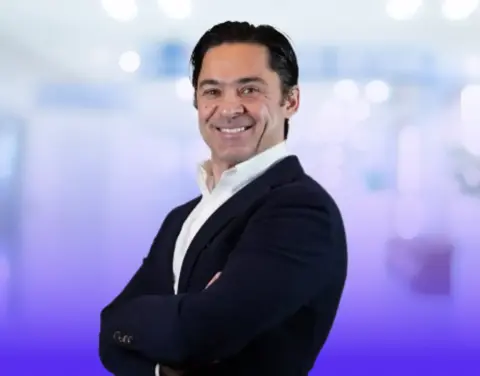
Dr. Alev Camcioglu - one of the best Rhinoplasty (Nose job) surgeon in Turkey
Verified
Dr. Alev Camcioglu
Based in Istanbul, Turkey
ENT Surgeon (Ear Nose Throat)
25 Years Surgical Experience
TTB Member
4000 + Successful Surgeries
Prof. Dr.  Fadlullah AKSOY - one of the best Rhinoplasty (Nose job) surgeon in Turkey
Verified
Prof. Dr. Fadlullah AKSOY
Based in Istanbul, Turkey
ENT Surgeon (Ear Nose Throat)
27 Years Surgical Experience
TTB Member
4000 + Successful Surgeries
Dr. Ismail Deniz - one of the best Rhinoplasty (Nose job) surgeon in Turkey
Verified
Dr. Ismail Deniz
Based in Antalya, Turkey
ENT Surgeon (Ear Nose Throat)
13 Years Surgical Experience
TTB Member
2000 + Successful Surgeries
Prof. Dr.  Murat Songu - one of the best Rhinoplasty (Nose job) surgeon in Turkey
Verified
Prof. Dr. Murat Songu
Based in İzmir, Turkey
ENT Surgeon (Ear Nose Throat)
21 Years Surgical Experience
TTB Member
7000 + Successful Surgeries
Dr. Murat Topdag - one of the best Rhinoplasty (Nose job) surgeon in Turkey
Verified
Dr. Murat Topdag
Based in Istanbul, Turkey
ENT Surgeon (Ear Nose Throat)
22 Years Surgical Experience
TTB Member
3500 + Successful Surgeries
Dr. Yunus Kaplan - one of the best Rhinoplasty (Nose job) surgeon in Turkey
Verified
Dr. Yunus Kaplan
Based in Istanbul, Turkey
ENT Surgeon (Ear Nose Throat)
25 Years Surgical Experience
4000 + Successful Surgeries

How Medelysium evaluates Rhinoplasty surgeons in Turkey

Functional + aesthetic combined expertise

Surgeons with both functional and aesthetic proficiency in rhinoplasty can address underlying breathing issues while ensuring a harmonious nasal appearance. This dual focus directly improves patient outcomes, optimising both airway function and visual results. Without this competence, patients may experience unresolved nasal obstruction or unnatural cosmetic changes. Informed patients should inquire about a surgeon’s training in both nasal aesthetics and airway correction. 

• Combined expertise enhances both breathing and cosmetic outcomes 

• Lacking this skill may cause functional or aesthetic dissatisfaction 

• Training in both fields indicates broader rhinoplasty qualifications 

• Patients should verify surgeon’s functional and cosmetic experience

Revision rhinoplasty experience

Expertise in revision rhinoplasty means the surgeon has managed complex cases and secondary corrections where prior surgeries failed. This experience is critical as such procedures require nuanced problem-solving to minimise scarring and restore function. Lack of this background increases the risk of complications. Patients should review before-and-after photos or ask about the surgeon’s revision case history. • Revision skills are vital for correcting past surgical complications • Inexperienced surgeons may worsen scarring or nasal deformities • Case photos help assess a surgeon’s secondary surgery outcomes • Direct questions about revision experience are warranted

Case consistency across different nose anatomies

The ability to achieve reliable outcomes across a variety of nose types, including ethnic and complex anatomies, reflects advanced surgical adaptability. Consistency safeguards patient safety by reducing unpredictable results. Surgeons lacking this exposure may struggle with less common cases. Patients should look for a diverse portfolio of patient outcomes reflecting a range of anatomical scenarios. 

• Consistent results denote adaptability with varying nasal structures 

• Inconsistency can increase risks of suboptimal outcomes 

• Diverse before-and-after images signal broad competence 

• Wide anatomical experience enhances patient safety

Advanced pre-operative airway and structural analysis skills

Advanced pre-operative analysis involves detailed assessment of nasal airway function and underlying structures to inform safer, more predictable surgical planning. This expertise reduces risk of breathing problems post-surgery. Insufficient pre-op evaluation may miss critical issues. Patients can discuss assessment protocols and ask about the use of diagnostic imaging or airflow studies. 

• Pre-op airway analysis is key for safe rhinoplasty outcomes 

• Poor analysis risks overlooked obstruction or collapse 

• Use of imaging and airflow tests supports proper planning 

• Discussing assessment methods shows surgeon’s thoroughness

Awareness of breathing complications and long-term functional risks

Awareness of potential breathing complications and understanding long-term risks are essential for preserving both form and function after rhinoplasty. Surgeons with this insight actively plan to prevent airway narrowing or collapse. Inadequate awareness may lead to late-onset breathing issues. Patients should ask about functional complication rates and how these are mitigated. 

• Proactive approach reduces risk of chronic breathing impairments 

• Poor awareness can cause lasting nasal obstruction 

• Surgeons should discuss long-term function preservation strategies 

• Understanding complications reflects comprehensive rhinoplasty expertise

Why Medelysium for best Rhinoplasty (Nose job) doctors
  • - Handpicked top-rated surgeons
  • - ISAPS, EBOPRAS, and JCI certified experts
  • - Years of proven experience in their field
  • - Thousands of successful procedures
  • - Patient-first approach & personalized care
  • - Recognized leaders in medical tourism
FAQ
What qualifications should a rhinoplasty surgeon in Turkey have?
  • A qualified rhinoplasty surgeon should have board certification in plastic, reconstructive, or otolaryngology surgery and specific experience with nasal procedures.
  • This expertise ensures a deep understanding of nasal anatomy, leading to safer operations and more natural aesthetic results for patients.
How can I verify a surgeon’s specialization in rhinoplasty procedures?
  • Check if the surgeon is board-certified in plastic, reconstructive, or otolaryngologic surgery with demonstrated rhinoplasty expertise.
  • Specialization in facial anatomy ensures precise technique and optimized results tailored to functional and aesthetic nasal structure.
Why is facial anatomy expertise important when choosing a rhinoplasty surgeon?
  • An experienced rhinoplasty surgeon demonstrates advanced understanding of nasal structure, tissue behavior, and harmonious facial proportions.
  • Expertise in facial anatomy is essential for achieving natural-looking results while safeguarding airway function and minimizing complications.
How much rhinoplasty experience should a qualified surgeon have?
  • A qualified rhinoplasty surgeon should have substantial experience in facial plastic surgery, including completed fellowships and multiple rhinoplasty procedures annually.
  • Such specialized experience ensures mastery of nasal anatomy and aesthetic judgment, which is vital for achieving balanced, natural-looking outcomes.
What surgical techniques should an experienced rhinoplasty surgeon master?
  • Choose a surgeon with certification in otolaryngology or plastic surgery and documented expertise in advanced rhinoplasty techniques.
  • Specialized rhinoplasty experience ensures mastery of nasal anatomy, crucial for achieving safe, functional, and aesthetically natural results.
How do surgeons evaluate whether a patient is suitable for rhinoplasty?
  • Seek a rhinoplasty surgeon certified in plastic or ENT surgery with proven expertise in facial aesthetics and nasal anatomy.
  • Certification and specialization ensure the surgeon understands both cosmetic harmony and breathing function for safe, natural results.
What safety standards should a rhinoplasty surgeon follow during surgery?
  • Choose a rhinoplasty surgeon who is board certified in plastic, reconstructive, or ENT surgery with proven facial aesthetics expertise.
  • Accredited specialists ensure thorough anatomical understanding and individualized planning, which is essential for safe surgery and natural results.
How can I assess a surgeon’s ability to handle rhinoplasty revision cases?
  • Review the surgeon’s training in facial plastic surgery and specific experience with complex secondary or revision rhinoplasty cases.
  • Expertise in revision rhinoplasty is critical, as it requires advanced anatomical understanding and complex surgical problem-solving skills for optimal results.
What warning signs suggest a rhinoplasty surgeon may not be qualified?
  • Verify the surgeon holds board certification in plastic, reconstructive, or facial surgery and a record of specialization in rhinoplasty.
  • Specialized training and experience ensure understanding of nasal anatomy, reducing risks and supporting aesthetically balanced, safe results.
What role does Medelysium play in helping patients connect with rhinoplasty surgeons?
  • Medelysium helps patients review each rhinoplasty surgeon’s board certifications, facial surgical training, and proven experience with nasal aesthetics.
  • Careful evaluation of surgical specialization and artistic expertise is crucial for achieving safe, natural-looking, and functionally preserved rhinoplasty outcomes.
Written and Medically Reviwed by
editor
Medelysium Medical Content Team
Medical Content Writer
You Will Be Treated By Surgeons, Hospitals and Clinics Certified With

+18 Content Warning

The page contains sensitive medical images. Do you wish to continue?